Our vision
The Path that Connects and Activates
Because there are places that are waiting for more than just a second chance.
In a village along the Camino, there is a house whose windows have been closed for years. No one lives there, but it is not completely abandoned either. Inside, there remains a worn staircase, a stone oven, and the marks of several generations on a door frame.
The family that inherited it doesn't want to see it fall into disrepair, but they can't find an easy solution. A few kilometers away, an entrepreneur is looking for a space to develop her project. In another city, an investor wants to allocate part of their capital to a tangible asset that will generate a return and leave a positive impact. Meanwhile, a municipal technician is familiar with the needs of the area and the opportunities that could make sense. None of them know each other.
This reality is repeated along the Camino de Santiago routes. Houses, manor houses, rectories, convents, mills, old factories, villages, and productive spaces retain architectural value, memory, and usability, but remain empty, deteriorated, or underutilized.
At the same time, there are ideas, talent, technical expertise, public and private resources, and capital willing to participate in impactful projects. The problem isn't a lack of assets, people, or initiatives. The problem is that they continue to develop in isolation.
Disconnection comes at a cost. Every year of inaction increases deterioration, makes rehabilitation more expensive, and reduces alternatives. Irreplaceable buildings are lost, but so are opportunities for housing, employment, services, entrepreneurship, culture, and community life. A degraded asset doesn't just affect its owner: it alters the landscape, weakens shared memory, and limits the area's capacity to build its own future.
O Camiño que Conecta e Activa was created to bridge the gap between those who possess something valuable and those who can help sustain it. It is not conceived as an external savior or an automatic solution, but rather as a link capable of identifying assets and needs, bringing together the right people, organizing information, incorporating technical knowledge, and creating the conditions to transform a possibility into a real project.
Its sequence is simple to express and demanding to execute: connect, activate and transform.
Connecting means making resources visible and building trust among stakeholders who often speak different languages. Activating involves analyzing compatible uses, real needs, management models, financing, conservation, and return on investment. Transforming means ensuring that a property ceases to be a static concern and becomes, when feasible, a home, accommodation, workshop, cultural center, coworking space, social services project, production space, or community initiative.
The Camino de Santiago offers a particularly powerful framework for doing so. For centuries it has united territories, cultures, and people with diverse motivations. Today it can once again fulfill that function, not only as a pilgrimage route or tourist attraction, but as a territorial network, a meeting place, and a laboratory for new solutions.
Touring the territory allows you to visit each asset in its context, listen to those who live in the places, and understand that an opportunity is not defined solely by its square meters.
Therefore, the project combines experience, knowledge, and action. The stages—heritage visits, meetings with the local population, idea workshops, technical sessions, and networking opportunities—are all part of the same process. Its aim is not to accumulate contacts, but to generate and sustain useful relationships between owners, government agencies, specialists, investors, operators, entrepreneurs, and community leaders.
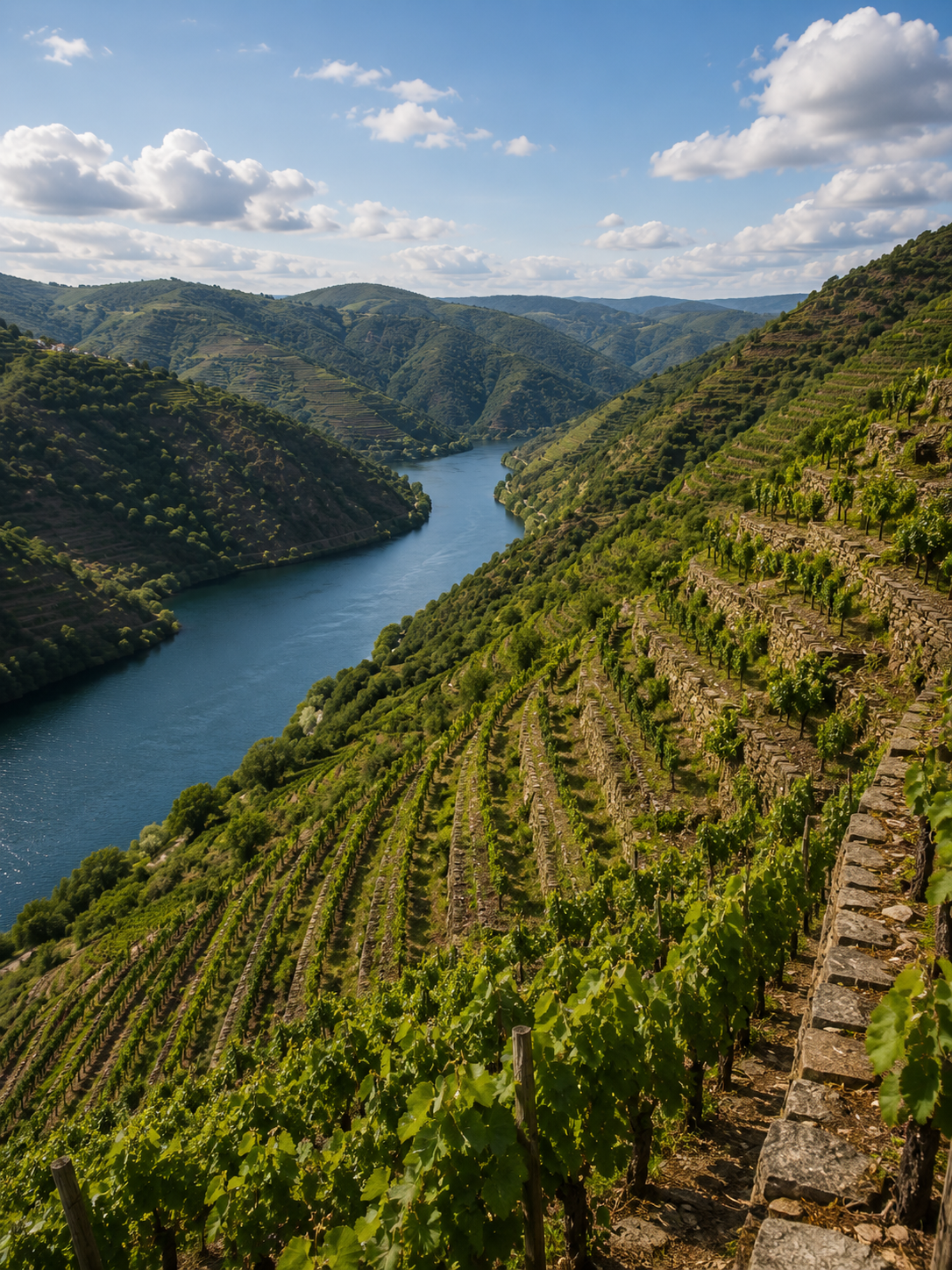
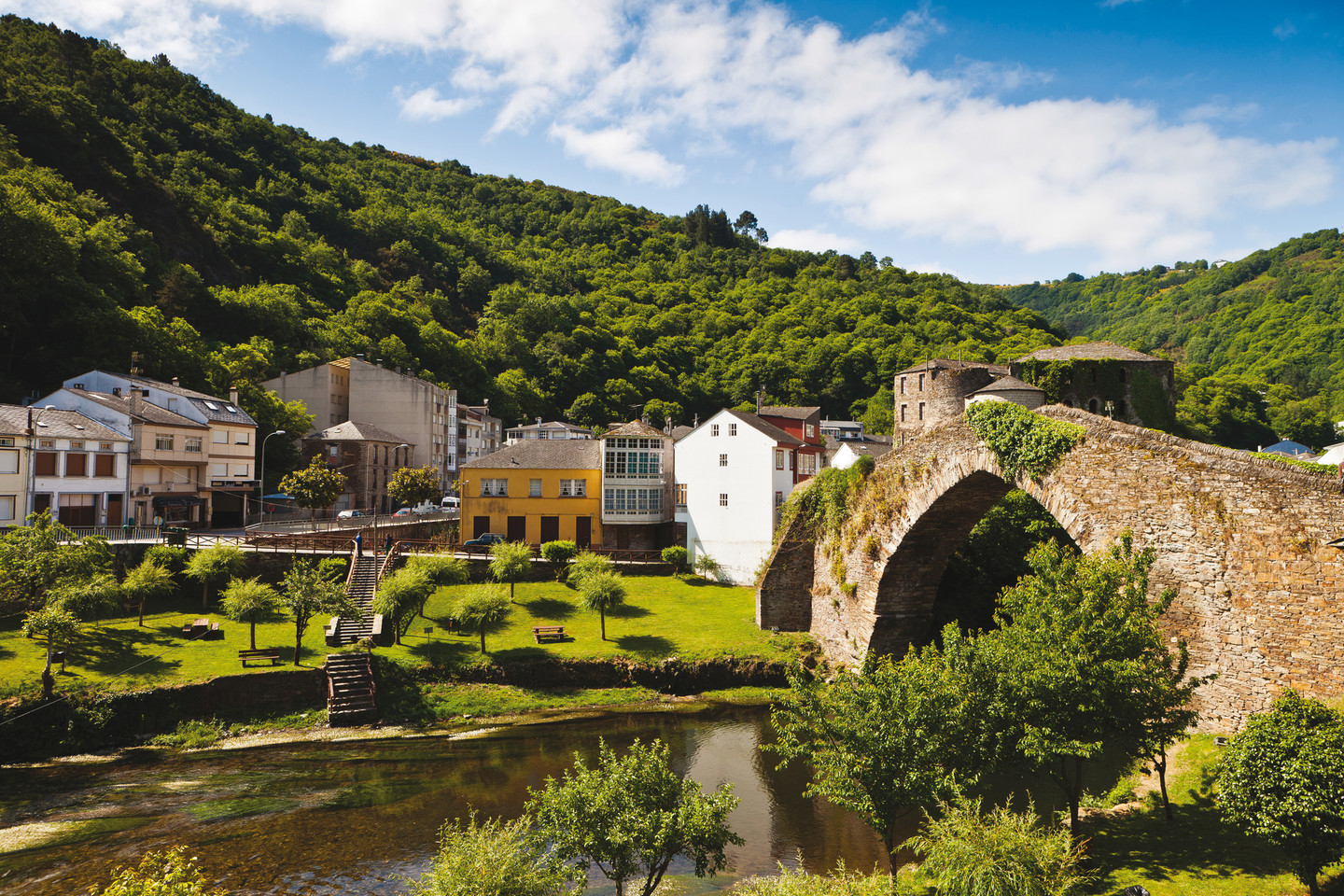
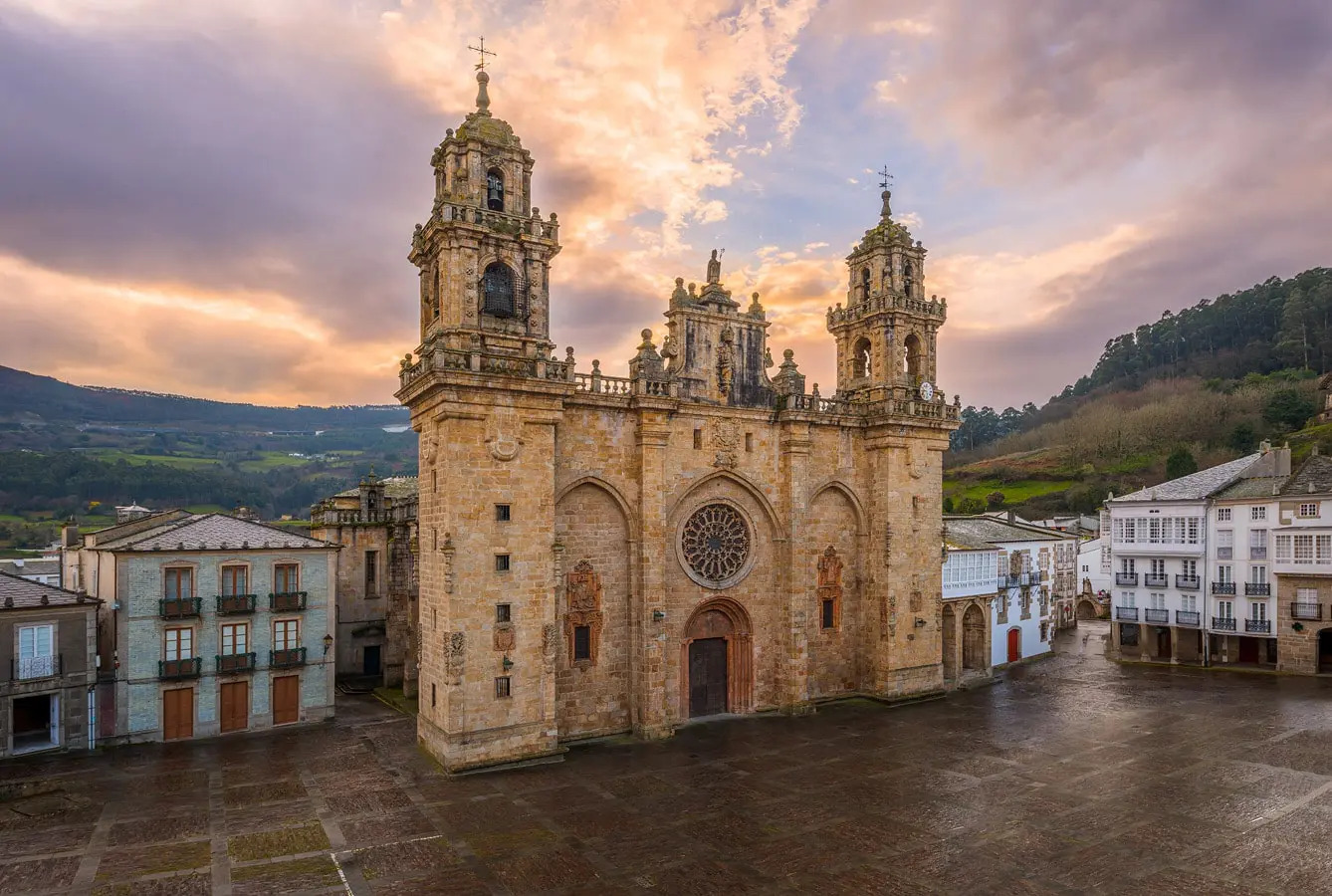

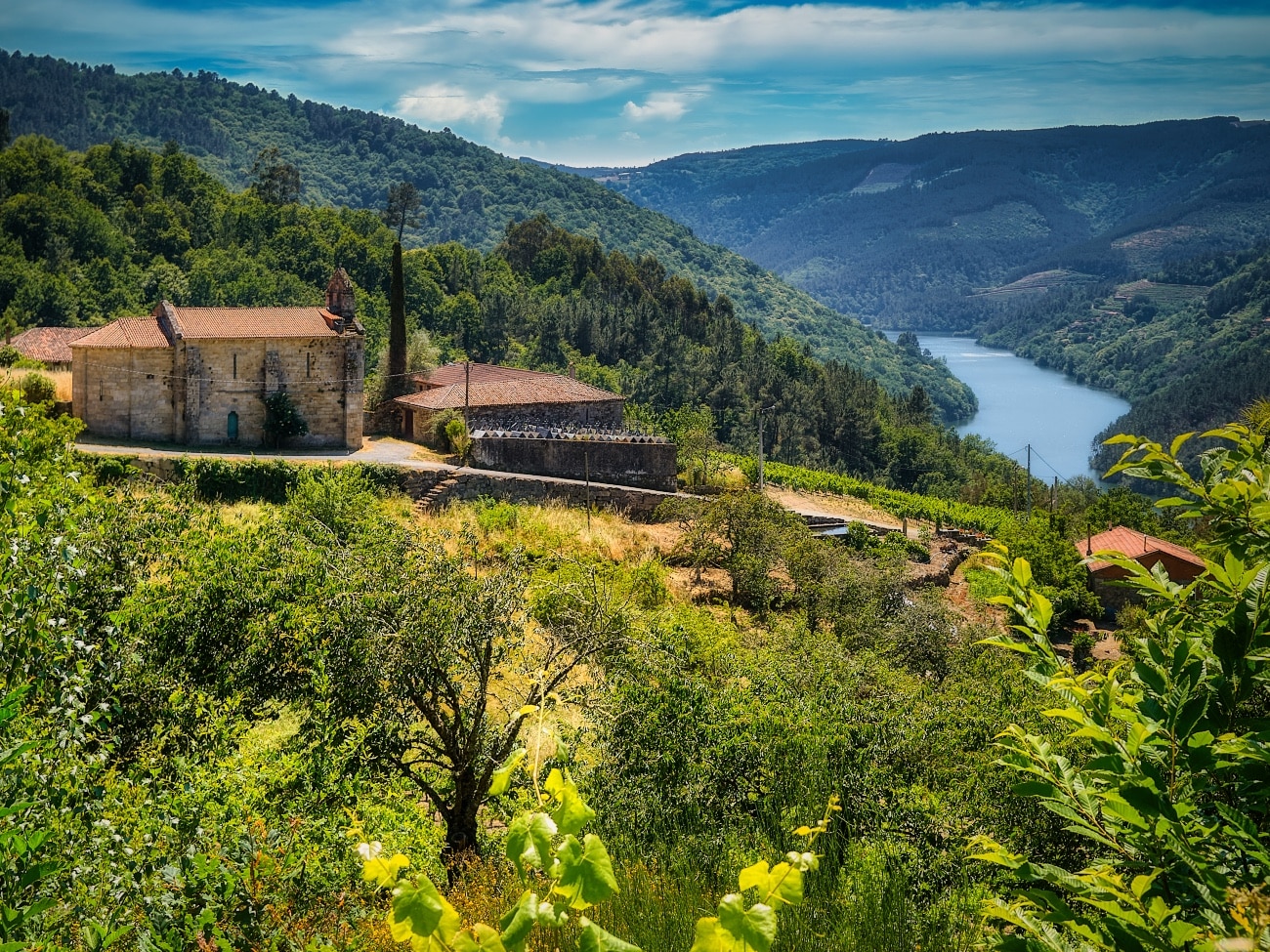
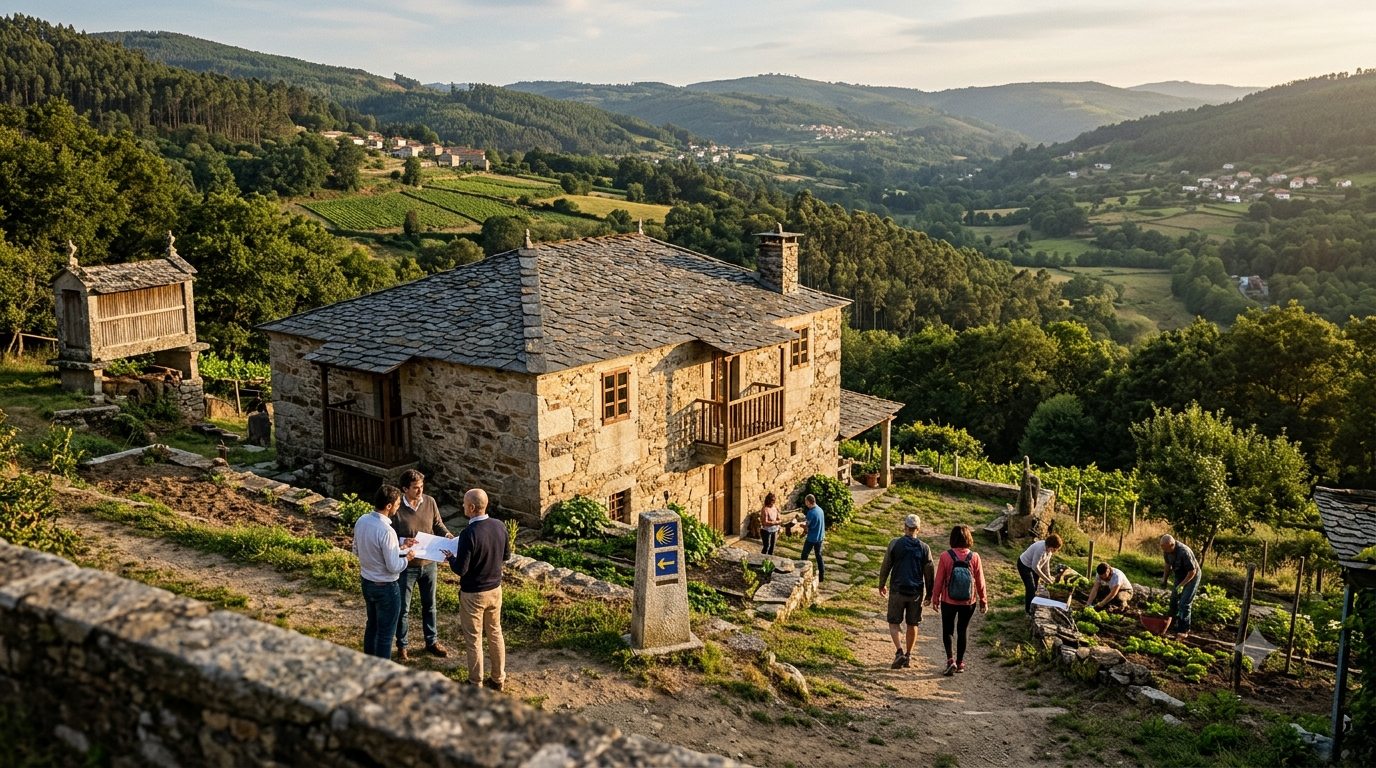
For property owners, the project can pave the way for order where only deterioration, costs, or uncertainty once existed. For public administrations, it allows inventories and diagnoses to be transformed into initiatives capable of mobilizing resources, housing, services, and activity. For heritage professionals, it integrates conservation from the outset. For investors, it facilitates access to unique opportunities rigorously analyzed, without concealing risks or promising results. For communities, it ensures that their knowledge and limitations are considered in decision-making. And for entrepreneurs and operators, it connects spaces with a distinct identity to models capable of sustaining them.
The project stems from a conviction: profitability and impact can coexist, provided reality is not oversimplified. A responsible investment requires economic viability; a heritage project, technical rigor; a territorial initiative, local participation and return; and a new use, management capable of sustaining it beyond its inauguration.
It's not about choosing between preserving and activating, but about finding a way to activate that allows you to preserve.
Not all goods will be transformed. Some will need more time, others will need to be reformulated, and some won't pass the necessary filters. Knowing when to say "not yet," "not this way," or "this use doesn't fit" is also part of the project's responsibility.
Trust is not built by promising that everything is possible, but by demonstrating that every decision is made with information, specialists, and respect for those who guard and inhabit the territory.
The first edition of O Camiño que Conecta e Activa aims to demonstrate that there is another way to approach disused heritage: not through resignation or speculation, but through collaboration. Along various Camino routes and in rural municipalities, the project will bring together diverse audiences, identify assets, foster connections, and initiate conversations that can lead to real-world projects.
The invitation is clear. We propose that those who are responsible for the upkeep of a property be included in the initial discussions. We ask those familiar with the area to identify needs and opportunities. We ask those with capital to analyze projects rigorously and purposefully. We ask those with technical expertise to help define limitations and possibilities. We ask those who can manage new uses to present viable models. And we invite the communities to participate from the outset so that the future is not designed without them.
Because there are places that don't need to be saved from the past. They need the right people to come together, understand what's at stake, and decide to build their future together.